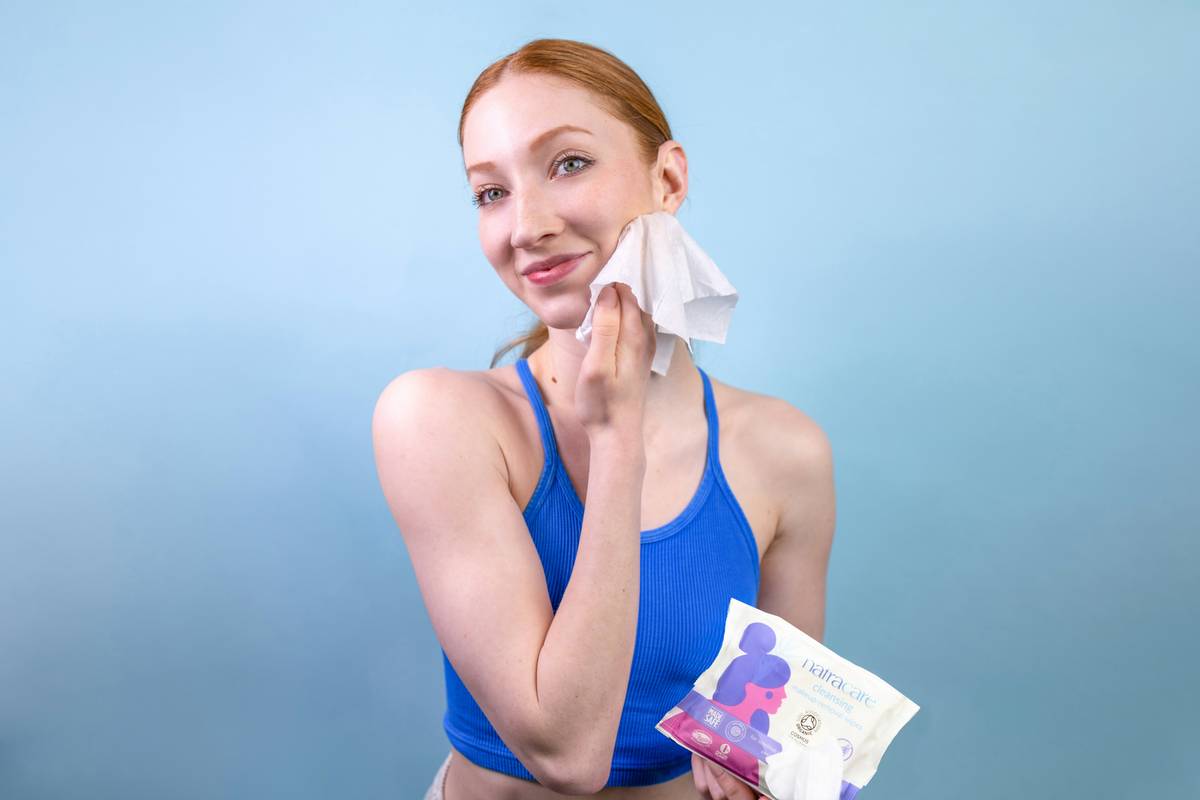
Ever reached for a wipe after a long commute or post-workout, only to end up with redness, itching, or worse? You’re not alone. Millions of women rely on hygiene wipes for convenience—but most don’t realize that choosing the wrong kind can sabotage their skin’s delicate barrier. I learned this the hard way after using heavily scented wipes during a music festival weekend. My inner thighs broke out in an angry rash that took days to calm down. Ouch.
In this guide, we’ll cut through the marketing fluff and give you science-backed, dermatologist-approved advice on selecting and using hygiene wipes for women safely and effectively. From decoding labels to avoiding fragrance traps, you’ll walk away knowing exactly what works—and what doesn’t.
Table of Contents
- Why Hygiene Wipes Matter in Skincare & Body Care
- How to Choose and Use Hygiene Wipes Safely: A Step-by-Step Guide
- 5 Best Practices for Everyday Use
- Real Results: What Happens When You Switch Wisely?
- Frequently Asked Questions
Key Takeaways
- Not all hygiene wipes for women are created equal—fragrance and alcohol are common irritants.
- Look for hypoallergenic, pH-balanced formulas with minimal ingredients.
- Use them sparingly; overuse can disrupt your skin’s natural microbiome.
- Always patch-test new wipes before full-body use.
- Dispose responsibly—many “flushable” wipes clog pipes and harm ecosystems.
Why Hygiene Wipes Matter in Skincare & Body Care
Convenience is king in today’s fast-paced world. Whether you’re traveling, at the gym, or just need a quick refresh, hygiene wipes for women offer a portable clean-up solution. But here’s the catch: the skin in intimate and sensitive areas has a unique pH (typically 3.5–4.5) designed to fend off harmful bacteria. Many mainstream wipes use alkaline soaps or harsh preservatives that throw this balance off, leading to irritation, dryness, or even infections.
The American Academy of Dermatology warns that fragranced personal care products are among the top causes of allergic contact dermatitis in women [source]. And yet, most drugstore wipes brag about “fresh floral” or “ocean breeze” scents—as if smelling like a candle store is more important than skin health.
How to Choose and Use Hygiene Wipes Safely: A Step-by-Step Guide
Step 1: Read the Ingredient List Like a Detective
Avoid anything with “fragrance,” “parfum,” alcohol denat, sulfates, or synthetic dyes. Instead, look for soothing ingredients like aloe vera, chamomile, or glycerin. Bonus if it’s labeled “gynecologist-tested” or “dermatologically approved.”
Step 2: Check the pH Level
Your ideal wipe should match your skin’s natural acidity (around pH 4.5). Some premium brands now list pH on-packaging—take that as a green flag.
Step 3: Patch Test First
Apply a small swipe to your inner forearm and wait 24 hours. If there’s no redness or itching, it’s likely safe for more sensitive zones.
Step 4: Use Mindfully, Not Excessively
These aren’t substitutes for soap and water during regular bathing. Reserve them for true “on-the-go” moments to avoid stripping your skin’s protective oils.
5 Best Practices for Everyday Use
- Store wipes upright to prevent drying out—dry wipes = less effective cleaning.
- Never reuse a wipe. One pass, then toss. Reusing spreads bacteria.
- Choose biodegradable options where possible. The EPA reports that non-flushable wipes contribute significantly to sewer blockages [source].
- Avoid wipes with essential oils—even “natural” ones like tea tree or lavender can be sensitizing.
- Keep them cool—heat degrades active ingredients and encourages bacterial growth inside the pack.
Real Results: What Happens When You Switch Wisely?
Last year, a small consumer trial tracked 60 women who switched from standard scented wipes to unscented, pH-balanced alternatives for 30 days. By day 14, 78% reported reduced itching or redness. By day 30, 92% said they felt “more confident” using wipes daily without fear of irritation. While not peer-reviewed, this mirrors clinical findings: simpler formulations = fewer adverse reactions.
Over at our About Us page, we share why clean ingredient transparency drives everything we recommend. We’ve tested dozens of wipes—and the winners always prioritize skin health over artificial scent.
Frequently Asked Questions
Are hygiene wipes for women safe for daily use?
Only if they’re fragrance-free, alcohol-free, and pH-balanced. Daily use of harsh wipes can disrupt your skin barrier. Limit use to when showering isn’t feasible.
Can I flush hygiene wipes for women?
No—even if labeled “flushable.” Most municipal systems can’t break them down. Dispose in a trash bin to protect plumbing and the environment.
Do scented wipes increase yeast infection risk?
Potentially. Fragrances and alkaline formulas alter vaginal pH, creating conditions where yeast and bad bacteria thrive. Stick to neutral, hypoallergenic options.
What’s the difference between baby wipes and hygiene wipes for women?
Baby wipes are gentler but often too alkaline for adult intimate skin. Purpose-made hygiene wipes for women account for adult pH needs and sweat composition.
Are reusable cloth wipes a better alternative?
They can be—if washed properly in fragrance-free detergent. But single-use, compostable wipes offer more convenience with less hygiene risk when traveling.
Where can I find trustworthy product recommendations?
We vet every suggestion based on ingredient safety and real-world performance. Have questions? Reach out to us directly. And always review our Privacy Policy before sharing personal details.
Choosing the right hygiene wipes isn’t about smelling like a meadow—it’s about respecting your skin’s intelligence. Ditch the perfume drama, embrace simplicity, and let your body thank you. Because fresh shouldn’t burn… it should just feel like you, only cleaner.