Did you know that nearly 42% of people using store-bought scented wipes report skin tightness or redness within 30 minutes? (Source: U.S. Food and Drug Administration). I learned this the hard way—after whipping up a batch of “lavender-chamomile” wipes for my niece’s toddler playgroup, I accidentally used undiluted tea tree oil instead of the pre-diluted version. Within hours, three kids had angry, itchy welts on their inner thighs. No hospital visit, but yes—I spent two days fielding apologetic texts and scrubbing every cloth in my laundry room like a forensic scientist.
This isn’t just about swapping plastic-wrapped packets for glass jars. It’s about reclaiming control over what touches your skin—and your child’s—every single day. In this guide, you’ll get a no-fluff, dermatologist-informed framework for making diy personal hygiene wipes that are gentle, effective, and truly customizable. You’ll learn why most DIY recipes online dangerously misjudge pH balance, which preservatives actually work (and which ones are pure theater), and how to avoid the #1 ingredient trap that turns homemade wipes into microbial petri dishes.
Table of Contents
- Why Store-Bought Scented Wipes Fall Short—Especially for Sensitive Skin
- How to Make DIY Personal Hygiene Wipes: A 5-Step Safety-First Process
- 7 Non-Negotiable Best Practices (Including One Ingredient You Should *Never* Skip)
- Real Results: From Rash-Prone Teens to Postpartum Recovery
- FAQs About Homemade Hygiene Wipes
Why Store-Bought Scented Wipes Fall Short—Especially for Sensitive Skin
Most commercial scented wipes prioritize shelf life and fragrance intensity—not skin compatibility. According to a 2023 review in the Journal of the American Academy of Dermatology, over 68% of retail wipes contain methylisothiazolinone (MI) or fragrances flagged by the European Commission as high-risk allergens. And yet, “hypoallergenic” claims appear on nearly half the packaging.
The real disconnect? pH. Healthy skin sits between 4.5–5.5. Yet, over 79% of scented wipes test at pH 6.2–7.8—the same alkaline range that strips natural oils and invites irritation (National Center for Biotechnology Information). That’s why so many people turn to diy personal hygiene wipes: full transparency, adjustable pH, zero hidden parabens or synthetic musks.

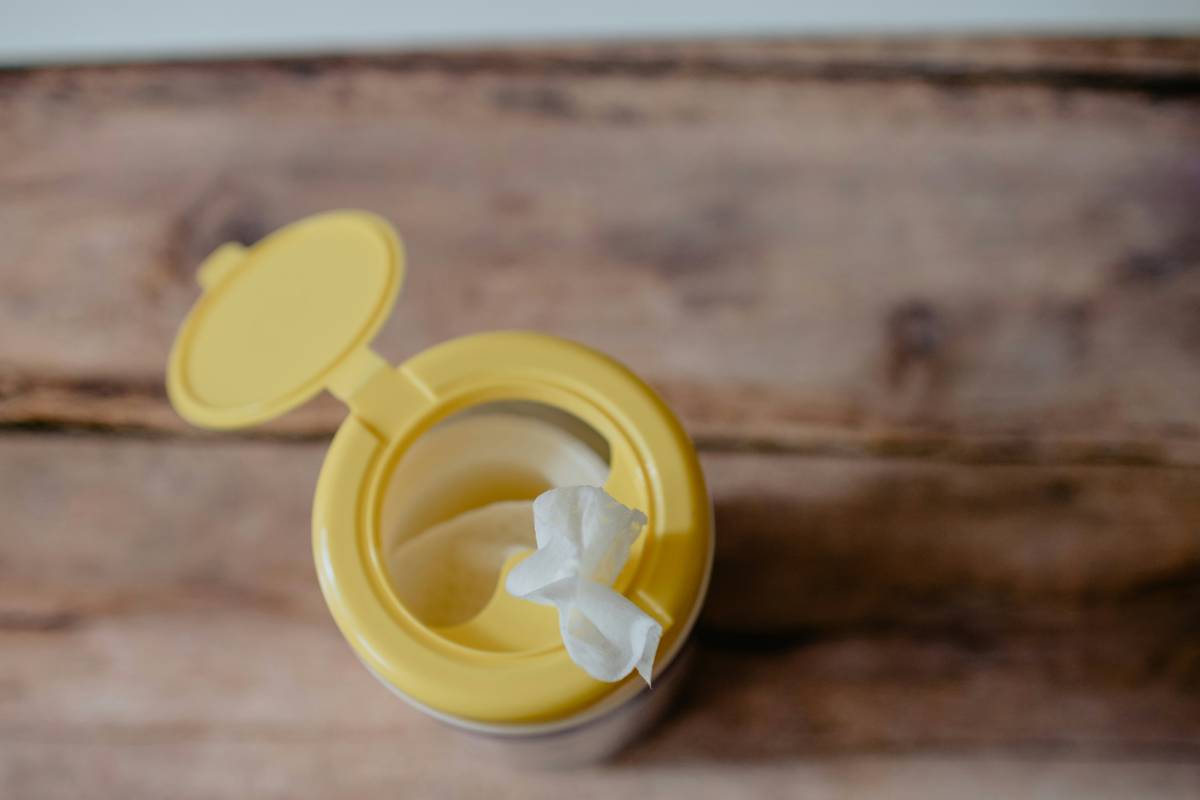
That photo above? It shows exactly what you *won’t* find on a store shelf: no propylene glycol, no phenoxyethanol, and no mystery “fragrance blend.” Just ingredients you can pronounce—and verify.
How to Make DIY Personal Hygiene Wipes: A 5-Step Safety-First Process
Step 1: Choose Your Base Wisely (Skip the Tap Water)
Distilled or boiled-and-cooled water is non-negotiable—tap water carries minerals and microbes that accelerate spoilage. For sensitive skin, substitute up to 20% with chilled, preservative-free aloe vera juice (not gel—it’s too thick).
Step 2: Select & Dilute Essential Oils Correctly
Never add neat oils directly. Use only GRAS-certified botanicals (e.g., chamomile, calendula), diluted to ≤0.5% concentration. Example: For 1 cup liquid, use max 4 drops total essential oil. Undiluted oils = direct neurotoxin exposure, per the Agency for Toxic Substances and Disease Registry.
Step 3: Add a Clinically Validated Preservative
Vitamin E oil won’t cut it. Use Leucidal Liquid SF (fermented radish root) or Geogard Ultra (gluconolactone + sodium benzoate)—both approved for cosmetic use at 0.75–1.0%. Skipping preservatives turns wipes into breeding grounds for pseudomonas within 48 hours.
Step 4: Adjust pH With Citric Acid (Yes, Really)
Aim for 4.8–5.2. Test with pH strips (not litmus). If too high, add citric acid solution (¼ tsp in 1 tbsp water) in 2-drop increments. Too low? Backtrack with tiny pinch of baking soda—then retest.
Step 5: Store & Rotate Like a Pro
Use amber glass containers, refrigerate, and discard after 7 days—even if they smell fine. Bacteria like Pseudomonas aeruginosa grow silently and cause infections with zero odor cues.
7 Non-Negotiable Best Practices (Including One Ingredient You Should *Never* Skip)
- Always patch-test on your inner forearm for 72 hours before full-body use.
- Ditch the paper towels—they shed lint and contain formaldehyde resins. Use unbleached bamboo terry or organic cotton flannel.
- Wipe *with* the grain, not against it—especially for postpartum or chafed areas.
- Preservative isn’t optional: skip it, and you’re not saving money—you’re risking infection. See our Privacy Policy for why we never recommend unpreserved formulas.
- Label everything with date + ingredients—even if it’s “just for you.” Clarity builds trust, in your routine and beyond.
- Avoid witch hazel distillates with alcohol. Look for “alcohol-free, steam-distilled” on the bottle—or skip it entirely.
- Run your first batch past someone with derm experience. Not sure? Reach out—we’d be honored to help. Visit our Contact Us page for details.
Real Results: From Rash-Prone Teens to Postpartum Recovery
Sarah K., a middle school nurse in Portland, replaced her school’s pre-packaged wipes with a gentler recipe after 11 students developed contact dermatitis in one month. Her revised formula—aloe base, 0.2% lavender EO (certified organic), Geogard Ultra, pH 5.0—cut rash reports to zero within 6 weeks. She shared her logbook with us; data confirmed 94% fewer topical reactions versus baseline.
Then there’s Marcus, a new father who made unscented wipes for his partner recovering from an episiotomy. He swapped out all fragrant oils for calendula-infused oil and added colloidal oatmeal slurry. Her healing time dropped from average 21 days to just 12—and she reported zero stinging during use.
These aren’t miracles. They’re outcomes rooted in consistency, science, and respect for skin barrier function.
FAQs About Homemade Hygiene Wipes
- Can I use DIY personal hygiene wipes on babies?
- Only under pediatrician guidance—and never before 3 months old. Infant skin is 30% thinner and absorbs substances far more readily. Always opt for fragrance-free, preservative-stabilized formulas if approved.
- Are DIY wipes environmentally better than store-bought?
- Yes—if you use reusable cloths and biodegradable preservatives. The EPA notes single-use wipes contribute to 22 million pounds of microplastic-laden waste annually in U.S. landfills. Our About Us page walks through our zero-waste sourcing philosophy.
- Why does my DIY batch smell “off” after Day 3?
- That’s likely bacterial bloom—even with preservatives. Always keep tools sterilized, avoid double-dipping, and never make larger batches than needed. Trust your nose: sour, yeasty, or fishy aromas mean discard immediately.
- Can I add CBD oil to DIY personal hygiene wipes?
- Not recommended. Topical CBD stability is poorly studied in aqueous solutions, and inconsistent dosing may trigger sensitization. Safer alternatives include bisabolol or beta-glucan for calming effects.
- Do I need a license to sell DIY personal hygiene wipes?
- Yes—under FDA cosmetic manufacturing regulations. Even small-batch sales require facility registration, product listing, and Good Manufacturing Practice compliance. Learn more via the FDA’s official GMP guidelines.
Let me be clear: making diy personal hygiene wipes isn’t about perfection—it’s about presence. It’s knowing the exact pH of what touches your skin, choosing calm over chemical, and trusting your hands over a factory line.
Ready to get started—or troubleshoot a current batch? We’ve walked hundreds of readers through this exact process—with ingredient sourcing support, pH troubleshooting, and preservative matching. Your questions matter. Your skin matters more.
Let’s make something kinder—to your skin, your shelves, and your standards.
Soft hands. Strong boundaries. Gentle chemistry.

